


July 1, 2025
Storage and expiration date of live vinegar
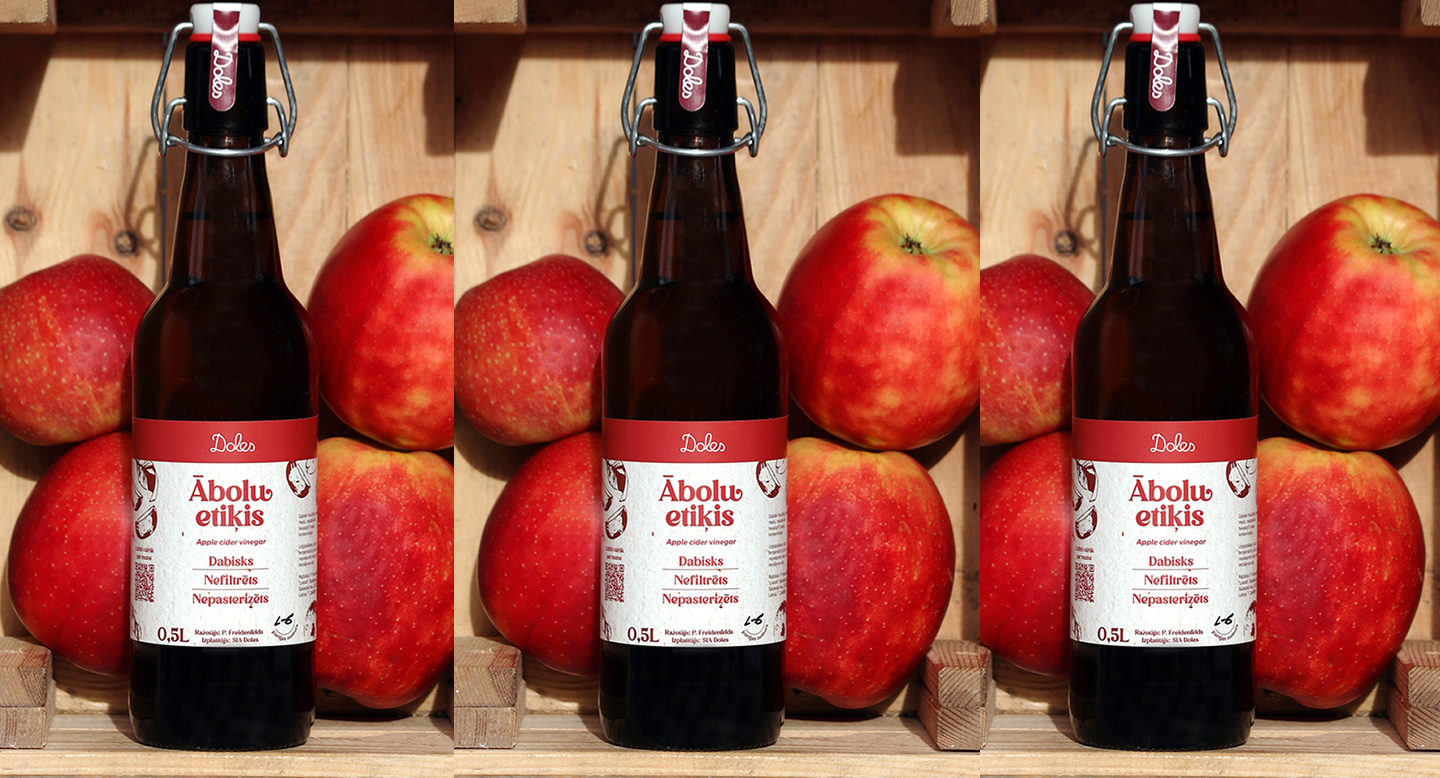
Does natural apple cider vinegar have an expiration date?
Vinegar, including natural apple cider vinegar, is not given an expiration date because it is believed that it can be stored indefinitely under certain conditions. The PVD guidelines also state that this product does not have an expiration date. However, some manufacturers choose to indicate it to avoid potential customer complaints, because arguing about whether the storage conditions were correct is time-consuming and expensive.
However, natural and live vinegar is very different from, for example, pasteurized apple cider vinegar or colorless spirit vinegar, which is usually used for preserving and sometimes also for cooking.
To better understand the aspects of storing natural vinegar, you must first understand what “bad” things can happen to vinegar.
What can happen to vinegar:
-
Air exposure
Air exposure increases the activity of bacteria and they start to want to eat – usually it is a micro amount of sugar and alcohol left in the vinegar.
Large manufacturers who make vinegar quickly and under controlled conditions (in large units with air and temperature supply) use laboratory analysis to make sure that there is absolutely no alcohol left in the composition, and also use something to stop the activity of potential yeasts. Then such vinegar is quite inert and will retain its original properties for a long time.
In natural apple cider vinegar, which does not use any additives to stop the activity of bacteria, air – as already mentioned – can encourage them to eat more actively and as a by-product carbon dioxide (co₂) can be produced, making the vinegar a little fizzy. If this happens, the vinegar can be placed in the refrigerator or in a completely dark place and the bacteria will gradually calm down. -
Sunlight, especially warm temperatures
These factors also encourage bacteria to eat, which can lead to a similar result as mentioned above. -
Long-term inappropriate storage conditions
Too much air access (incorrect cork/lid or frequent forgetting to close the bottle) and too high a temperature, for example, next to a stove or oven, can lead to bacteria eating what they usually eat, as well as completely emptying their food reserves and resorting to eating acetic acid.
This is a completely undesirable situation, because as acetic acid decreases, the pH level also drops, and if it exceeds 4, the environment remains favorable for various other microorganisms, including mold.
This, of course, cannot happen in one or two months – which would be long enough to use up a bottle of vinegar, but if you open your half-liter or liter bottle very rarely, then after a while it is advisable to transfer it to a bottle that has as little air as possible (free space after pouring). -
Visible signs of spoilage
If all the undesirable conditions have occurred and the vinegar changes color to a very dark color and also smells very unpleasant, then there is a very high probability that it has spoiled and is no longer suitable for human consumption.
Keeping vinegar unopened for a longer period of time (or storing it correctly) may change its taste – it usually becomes milder and more nuanced, but a milder taste does not mean that it has a higher pH level – this is not a cause for concern.
Storage recommendations:
- Keep away from heat sources
- Keep away from direct sunlight
- Always close the cap after use
- Do not keep a half-used bottle for a long time
- If necessary, pour into a smaller volume
About expiration dates:
For infusions of doles in apple cider vinegar, the expiration date on the label is 6 or 9 months, depending on the type of plant used (fresh or dried). If for some reason you have not used it within the specified period, this does not mean that the vinegar is no longer usable. It only means that the medicinal value of the vinegar gradually decreases.
Storing oxymel:
It is advisable to keep oxymels in the refrigerator because they are not pasteurized and the honey in the composition, which contains live yeasts, can promote the fermentation process at warm temperatures. Storing it in the refrigerator does not stop it completely, but it slows it down very significantly.
For this reason, oxymels from Dole can be slightly carbonated. The shelf life of oxymels is also 6-9 months (indicated on the label), and this essentially means the period during which the plant extracts are at their most potent. When using oxymel after the expiration date, it will still have the same taste and does not pose any health risks.